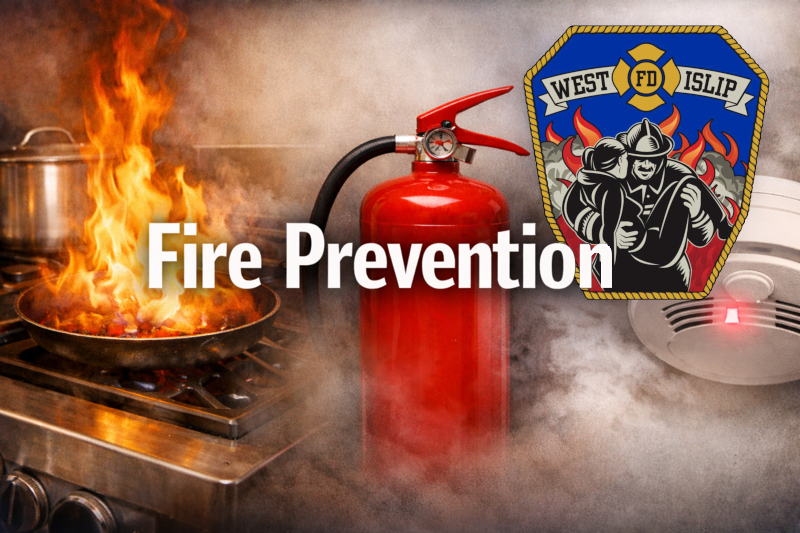
Portable Heater Safety
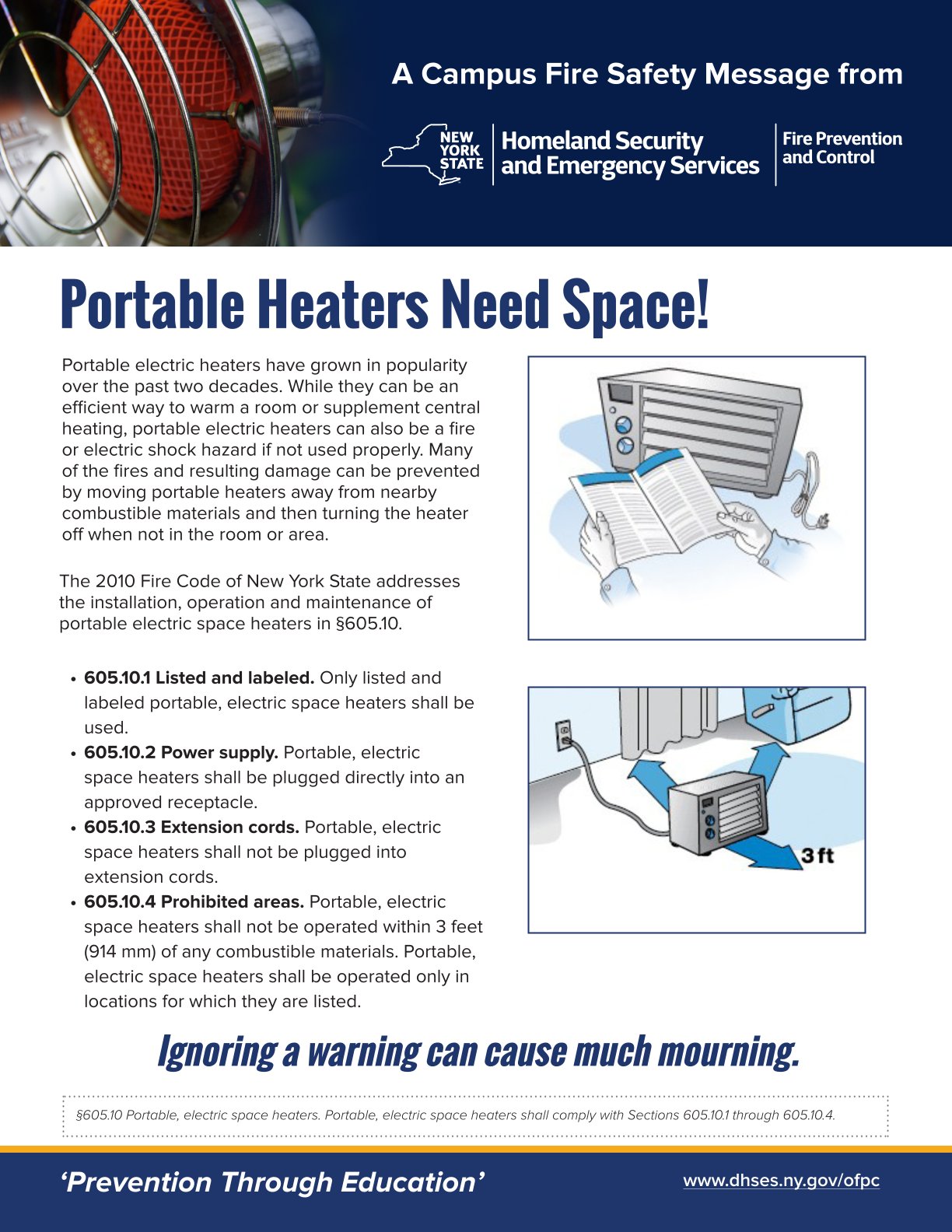
Portable Heaters Need Space!
Portable electric heaters can cause fires if misused. Always ensure they are:
Listed and labeled for safety.
Plugged directly into wall outlets - never use extension cords.
Positioned at least 3 feet away from any combustible materials.
Turned off when you leave the room or go to sleep.
Ignoring these guidelines can lead to tragic outcomes.
|
 |
 |
|
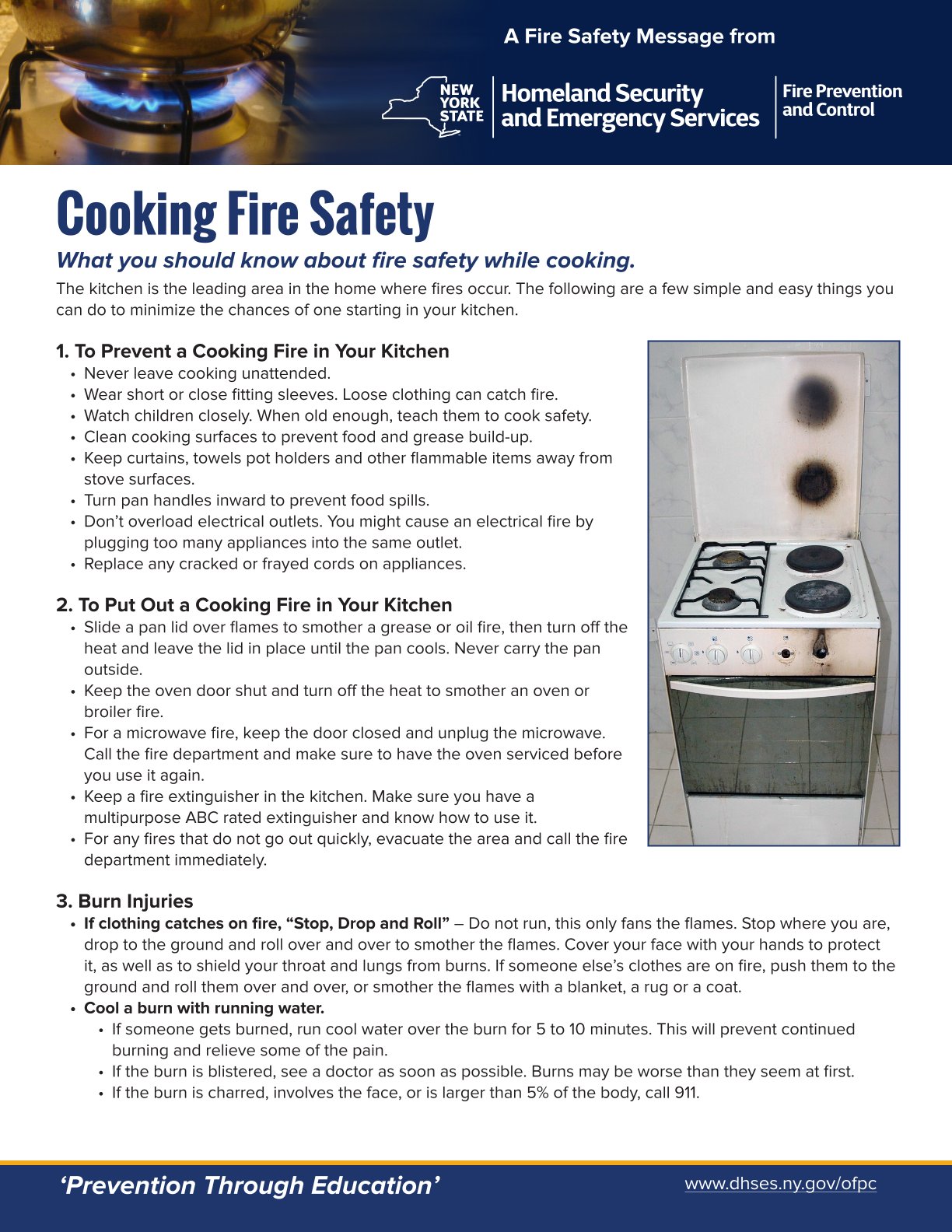
Cooking Fire Safety
Stay Safe in the Kitchen
Kitchen fires are the leading cause of home fires. To prevent them:
Never leave cooking unattended.
Wear tight-fitting clothing while cooking.
Keep flammable items (towels, curtains) away from heat sources.
Keep children supervised.
Clean surfaces to prevent grease buildup.
If a fire starts:
Smother grease fires with a lid - never use water.
Shut the oven door for oven fires.
Use an ABC-rated fire extinguisher and call 911 if needed.
Burn safety tips are also included in this section to protect against injury.
|
|
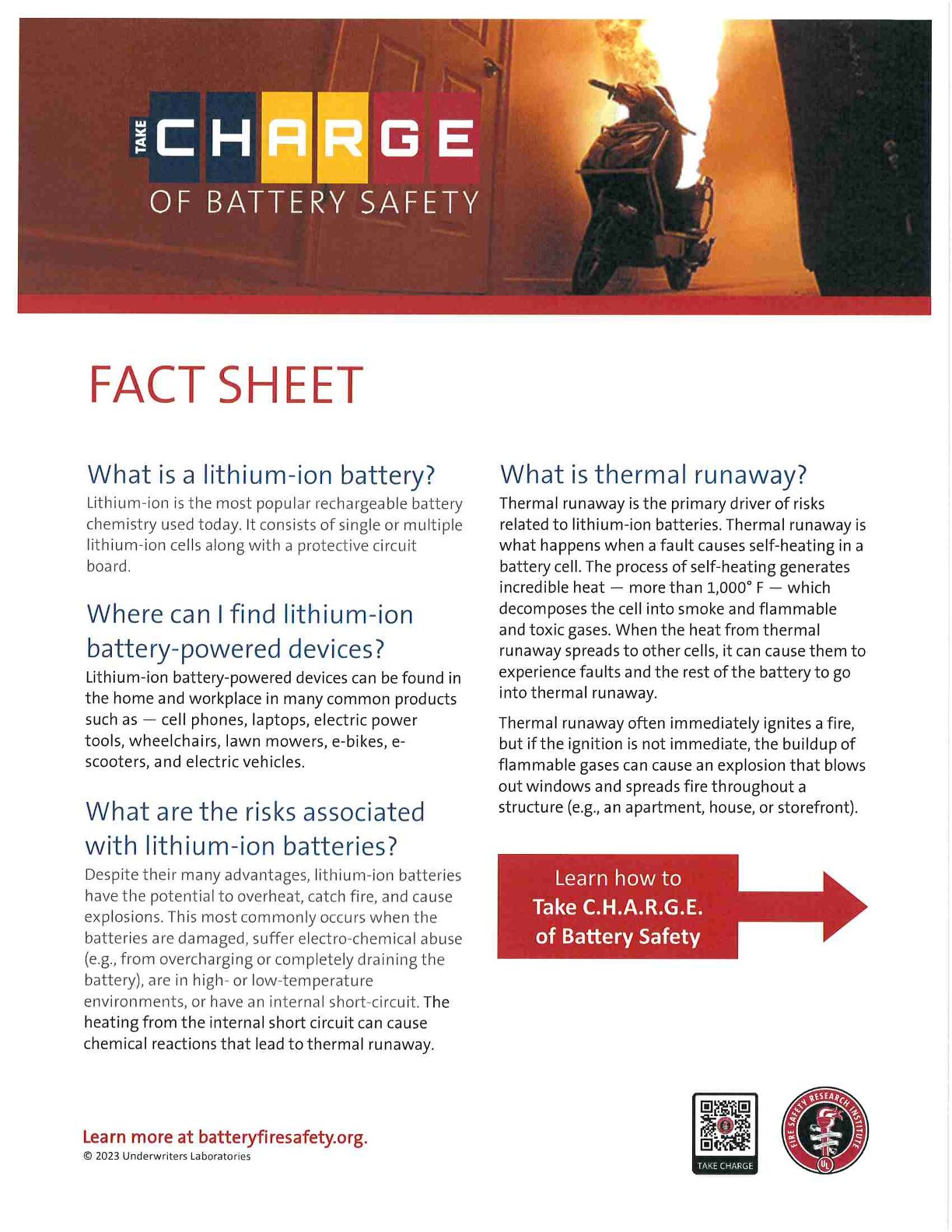
Lithium-Ion Battery Safety
Take C.H.A.R.G.E. of Battery Safety
Lithium-ion batteries are common in phones, laptops, scooters, and more - but they can overheat or catch fire due to thermal runaway. Follow these safety steps:
Choose certified products.
Handle devices with care.
Always watch for damage or swelling.
Respond to warning signs - unplug and stop using.
Get out and call 911 if there’s a fire.
Educate others.
Avoid charging near flammables, and never charge devices under pillows or beds.
|
 |
|
|
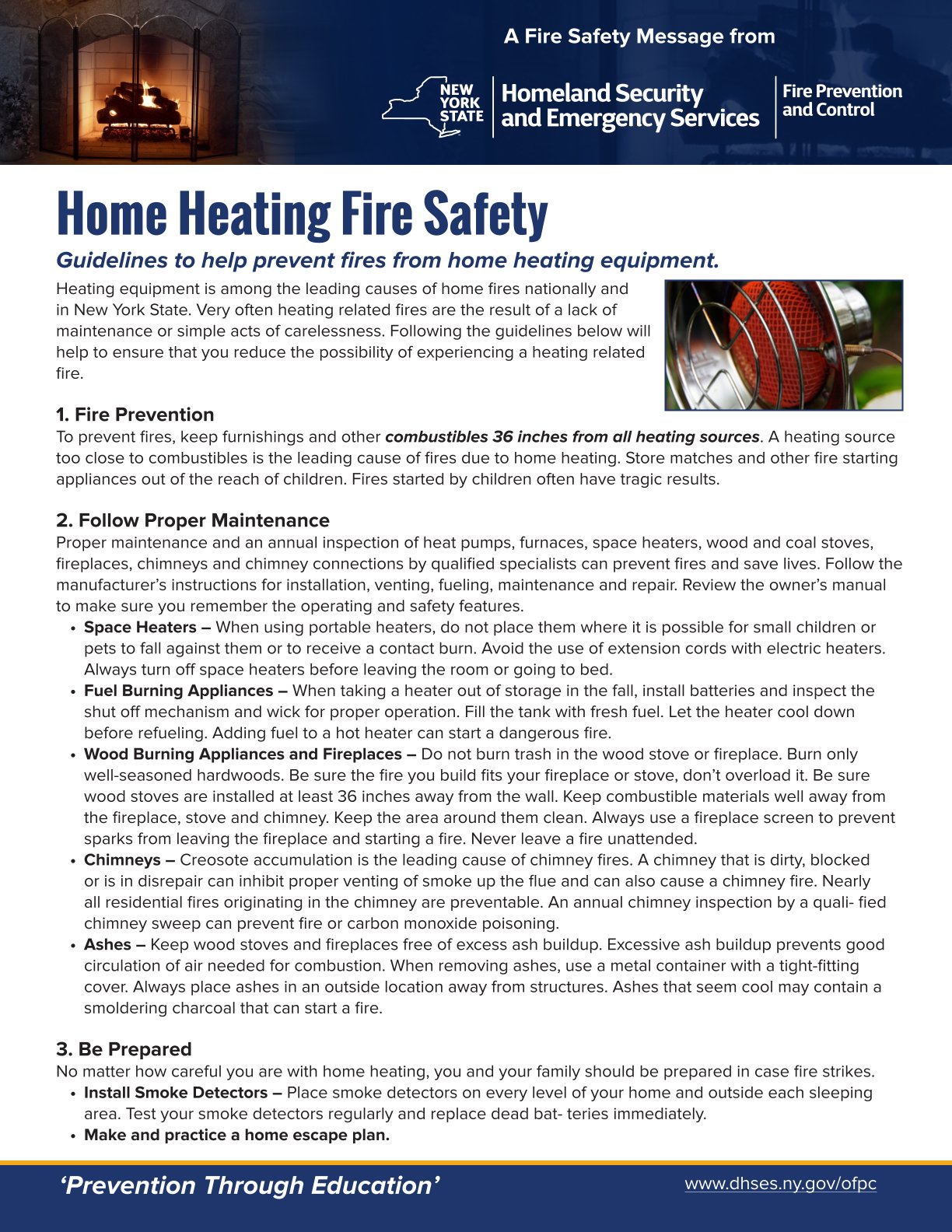
Home Heating Safety
Prevent Fires This Winter
Heating equipment is a major cause of house fires. Prevent problems by:
Keeping flammable materials 36" from heating sources.
Having annual inspections of furnaces, chimneys, and heaters.
Turning off space heaters before sleeping or leaving a room.
Using proper containers for ash disposal and storing ashes outside.
Also, maintain working smoke detectors and review your home escape plan regularly.
|
|
Fire Safety for Seniors
Aging Doesn’t Mean Vulnerable
Adults over 65 are more likely to suffer injuries or fatalities in fires. Prevent accidents by:
Avoiding smoking while drowsy or using oxygen.
Using space heaters with care.
Keeping escape routes clear and practicing exit drills.
Installing and testing smoke detectors monthly.
|
 |
|
|
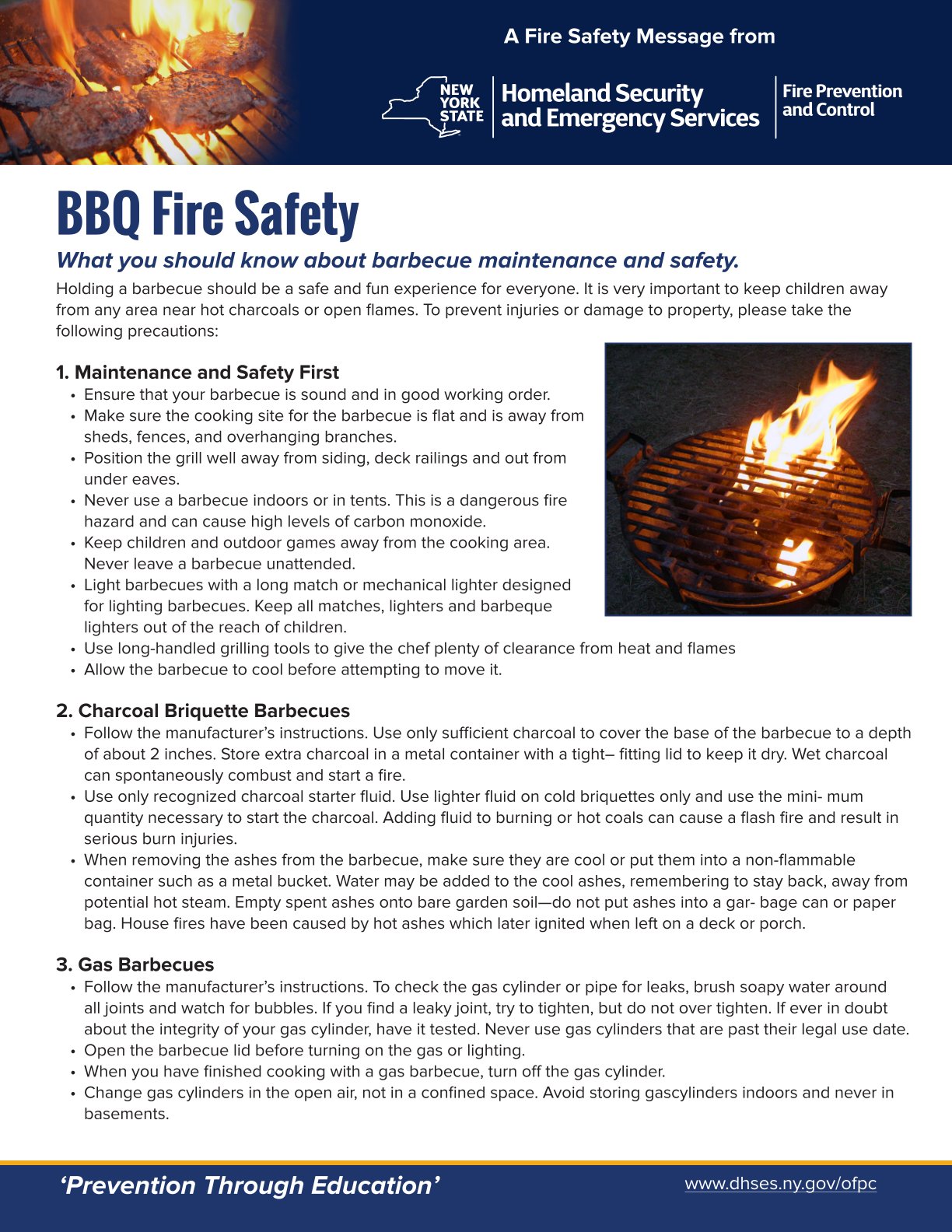
Barbecue Fire Safety
Grill Smart, Grill Safe
Enjoy outdoor cooking while staying safe:
Never grill indoors or near combustibles.
Check gas connections with soapy water before lighting.
Use long-handled tools and approved starter fluids.
Dispose of ashes safely and only after they are cool.
|
|
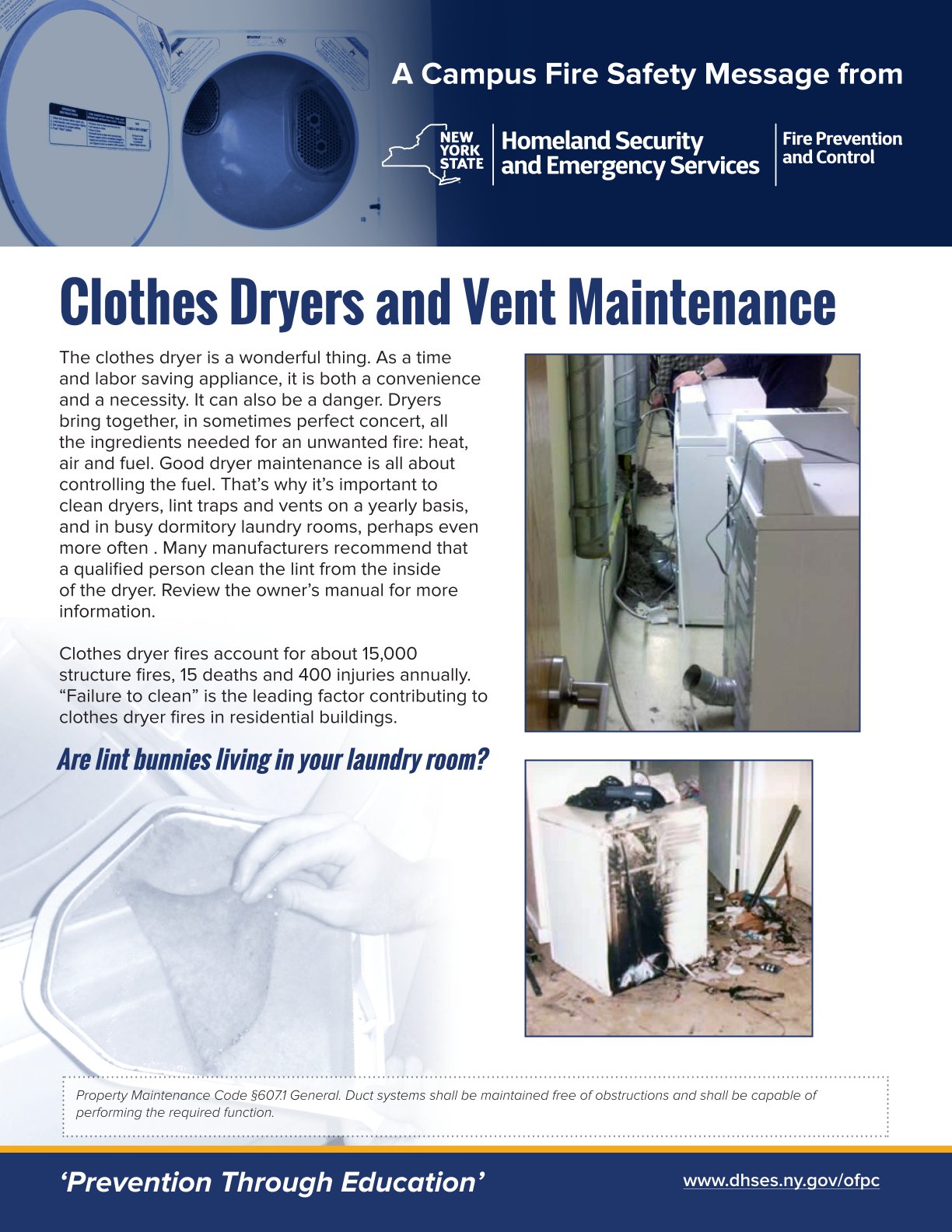
Dryer and Vent Maintenance
Stop Lint from Starting Fires
Clothes dryers account for thousands of fires yearly. Prevent fires by:
Cleaning the lint trap before every use.
Inspecting and cleaning dryer vents annually.
Never running dryers when you're not home.
|
 |
|
|
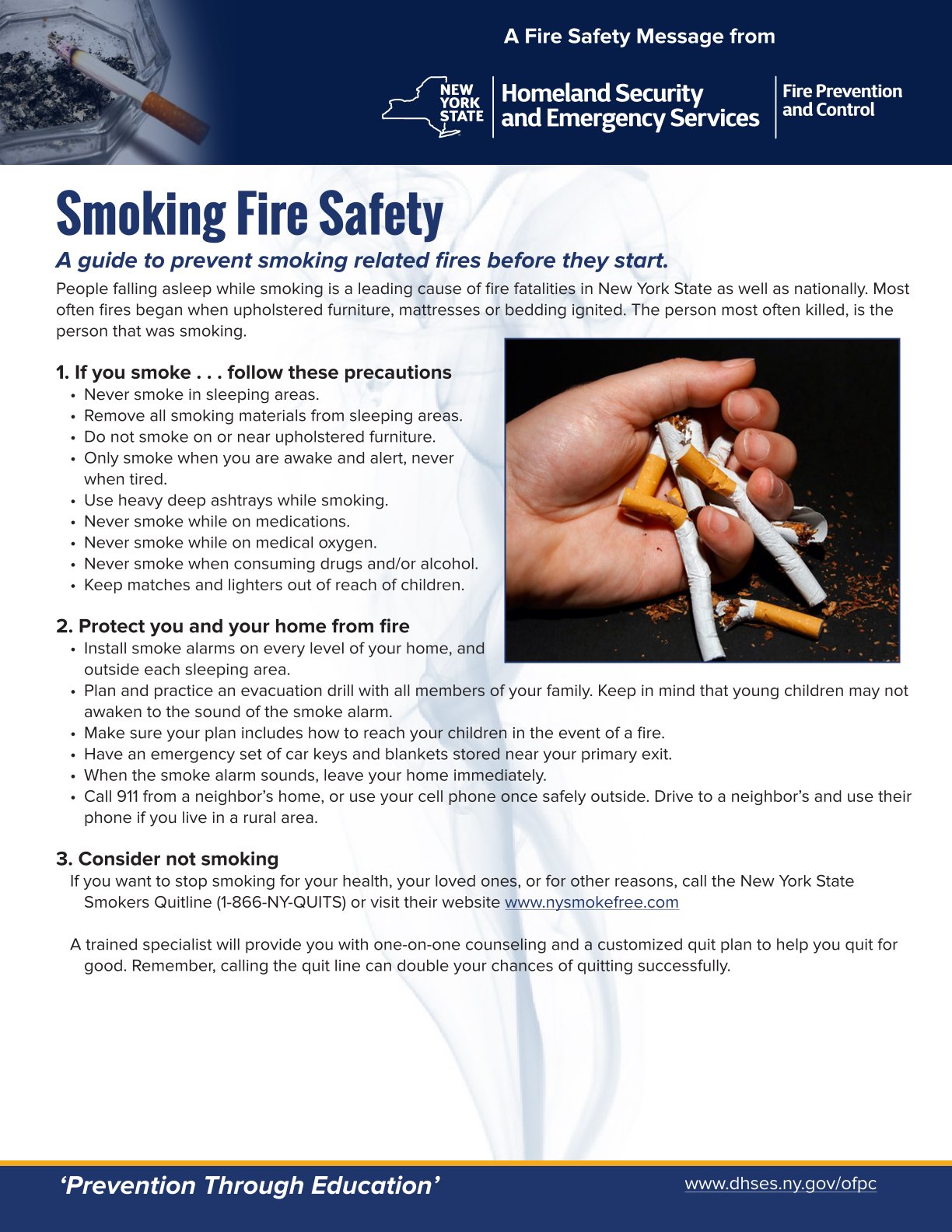
Smoking Fire Safety
Put It Out Before It Puts You at Risk
Smoking while tired or impaired can be deadly. To prevent fires:
Don’t smoke in bed or on upholstered furniture.
Use deep, heavy ashtrays.
Never smoke near oxygen.
Keep matches and lighters away from children.
|
|
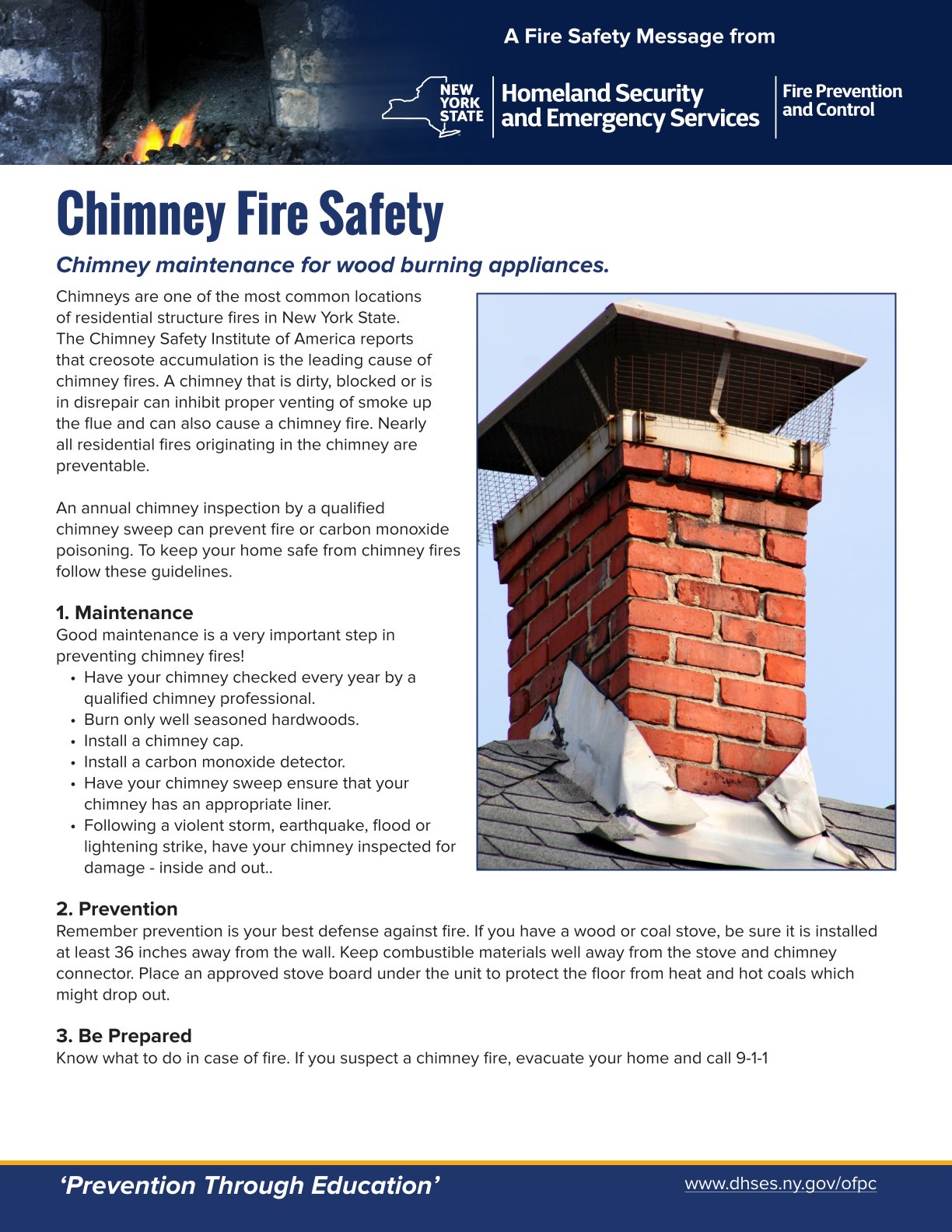
Chimney Fire Safety
Creosote Can Kill
A blocked or dirty chimney is a serious fire hazard. Steps for prevention:
Have chimneys inspected and cleaned annually.
Burn only seasoned hardwood.
Install a chimney cap and carbon monoxide detector.
Keep combustibles away from stoves and chimneys.
|
 |
|
|
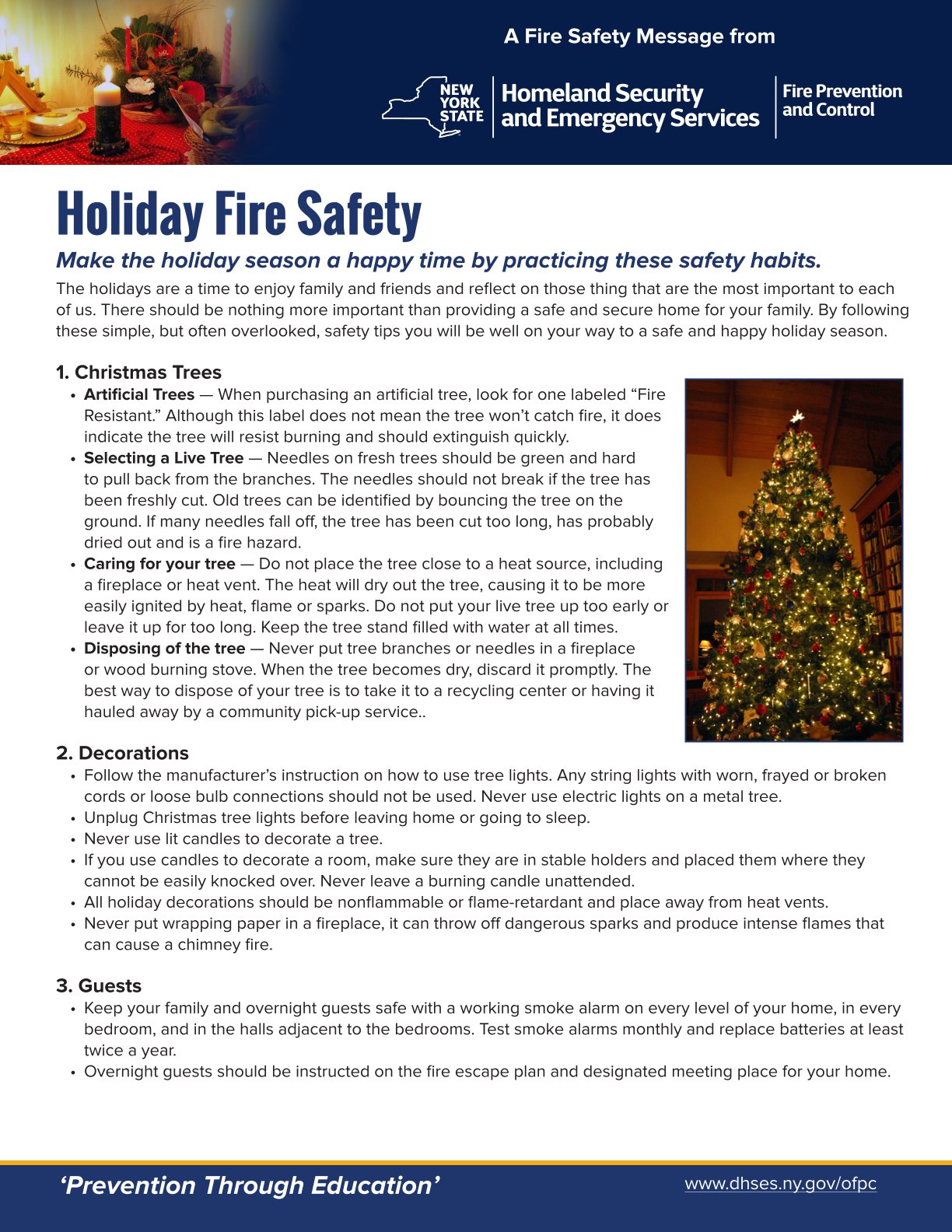
Holiday Fire Safety
Celebrate Without Catastrophe
Holiday decorations increase fire risks. Be safe by:
Using only flame-resistant or flame-retardant materials.
Keeping trees hydrated and away from heat.
Unplugging lights before bed or leaving.
Avoiding candles near trees or drapes.
|
|
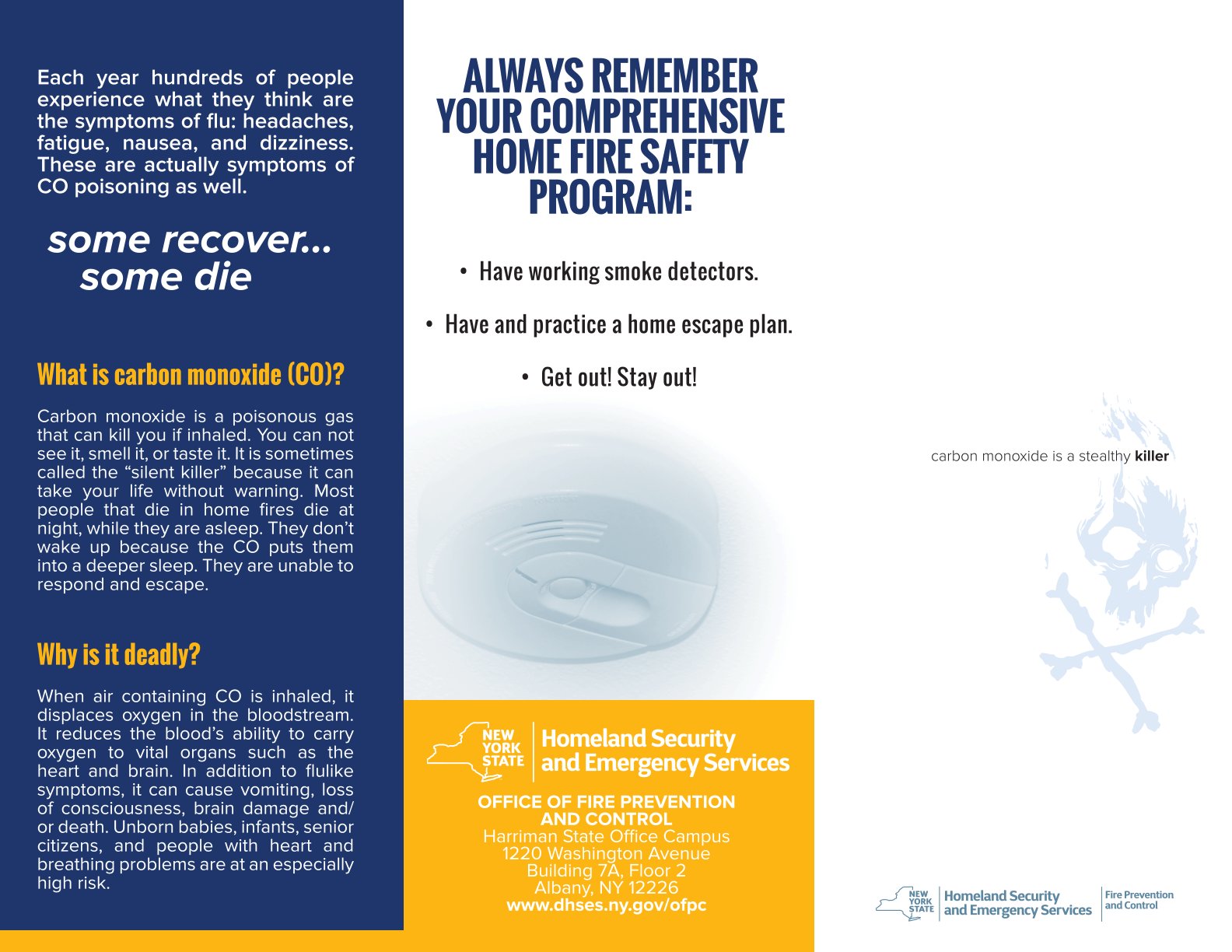
Carbon Monoxide Awareness
The Silent Killer
Carbon monoxide is odorless, colorless, and deadly. Prevention tips:
Install CO detectors near sleeping areas.
Service appliances annually.
Never run gas-powered engines in enclosed spaces.
If a CO alarm sounds and you feel sick, evacuate and call 911.
|
 |
|
|
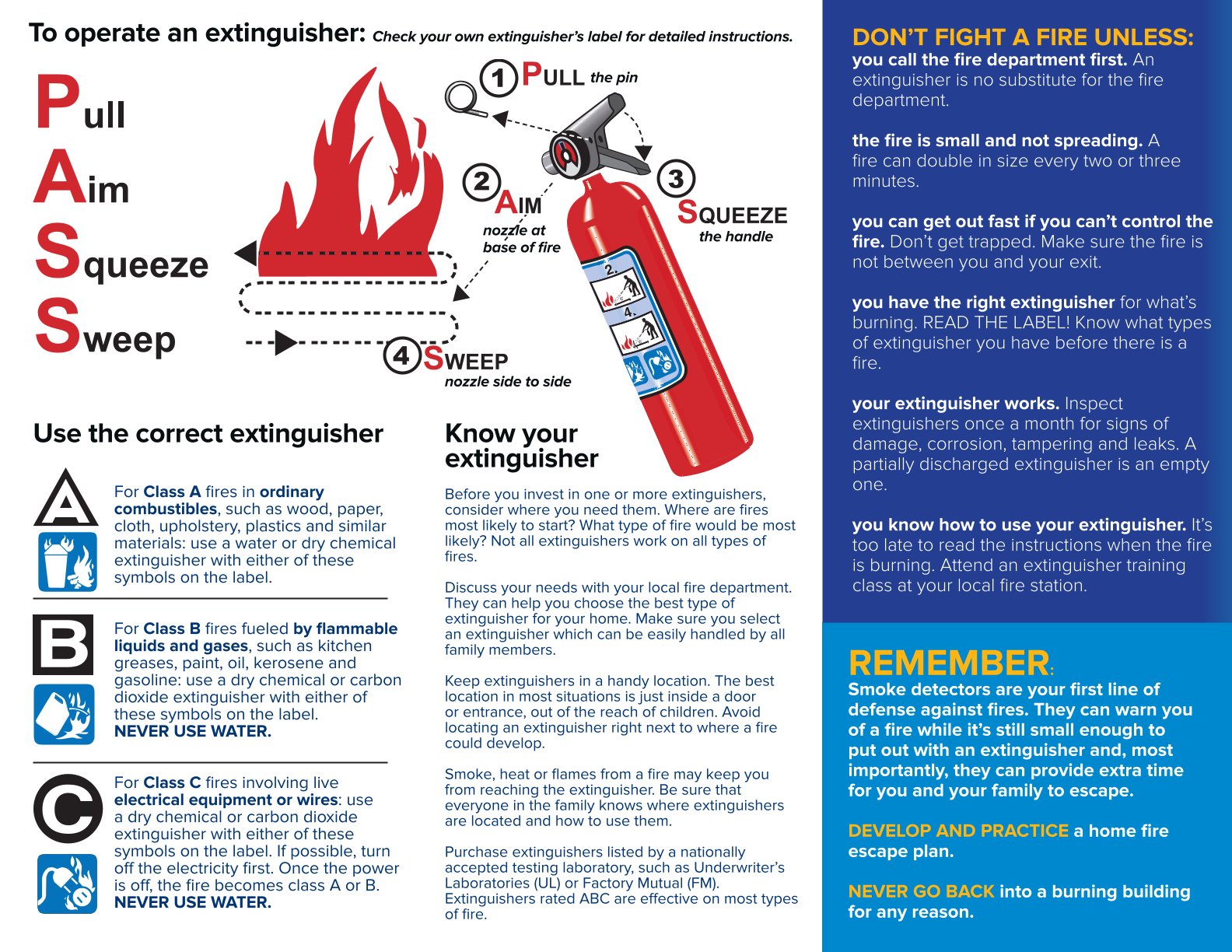
Fire Extinguisher Know-How
Know the PASS Method
Every home should have an ABC-rated fire extinguisher. Learn how to use it:
Pull the pin.
Aim at the base of the fire.
Squeeze the handle.
Sweep side to side.
Only use an extinguisher on small, contained fires - and always call 911 first.
|
|
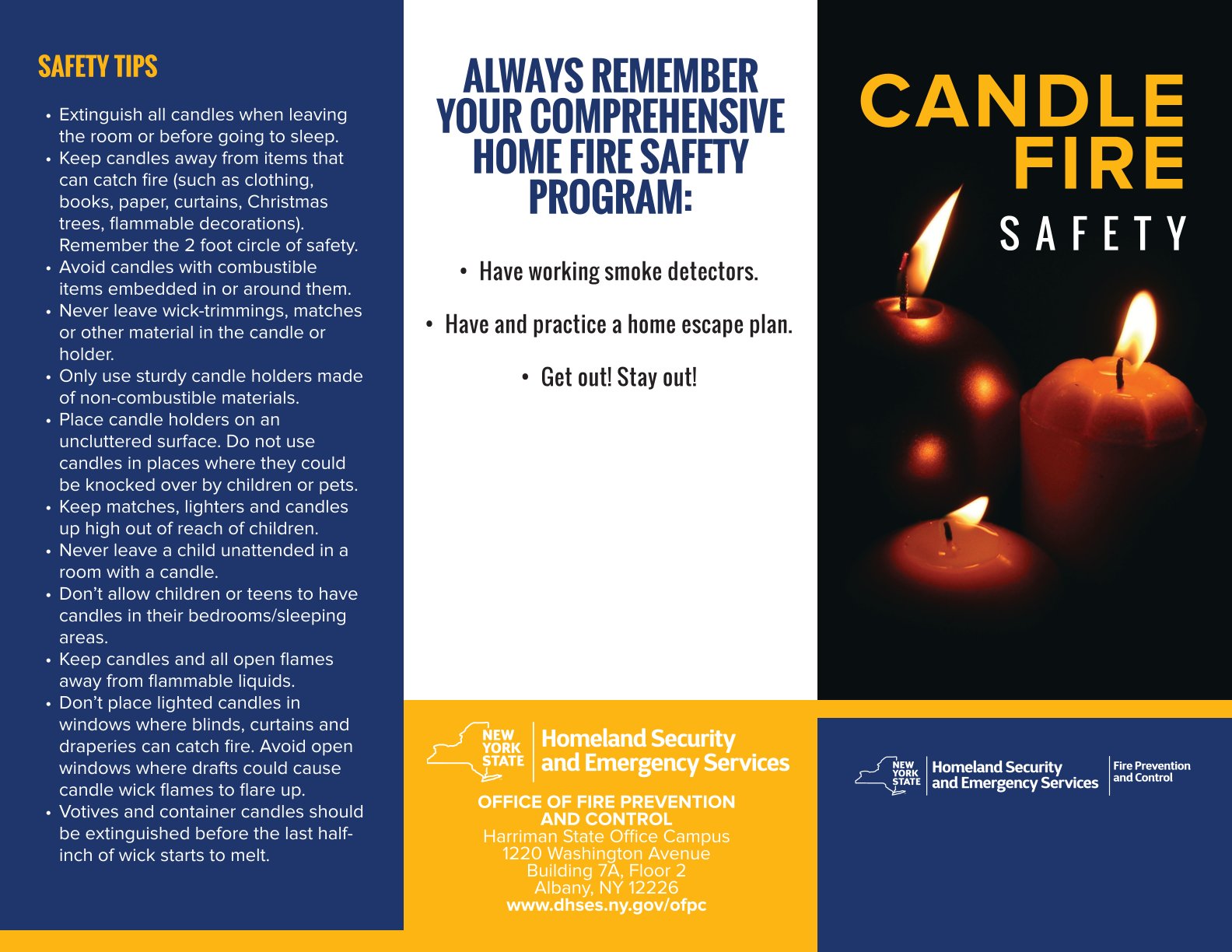
Candle Fire Safety
Beautiful - But Dangerous
Candles can cause deadly fires. Follow these rules:
Keep candles 2 feet from anything flammable.
Never leave burning candles unattended.
Use sturdy, non-tip holders.
Don’t allow children to use candles in bedrooms or dorms.
|
 |
|
|
|
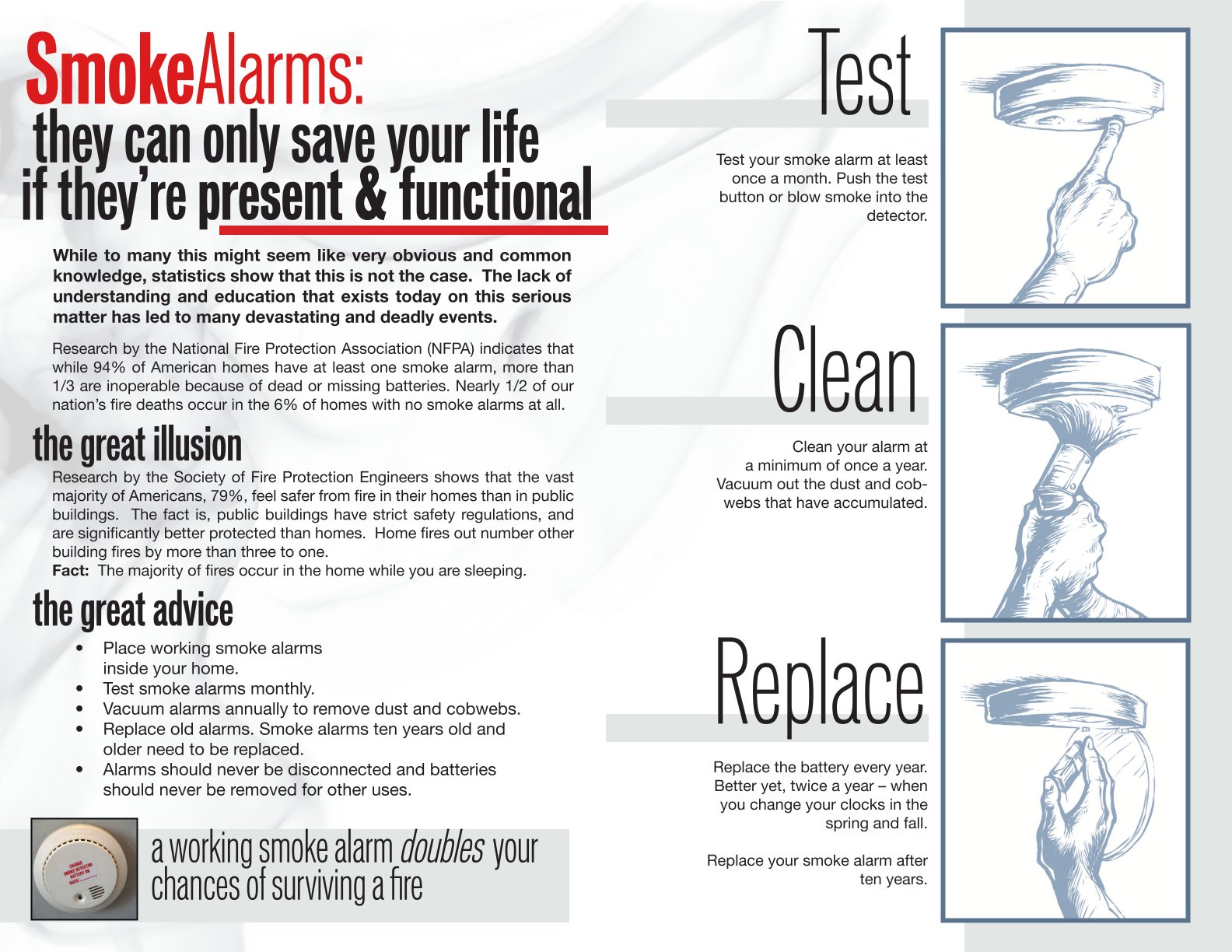
Smoke Alarms & Escape Planning
Don’t Wait Until It’s Too Late
Smoke alarms and an escape plan can double your chances of survival:
Install alarms on every level and in every sleeping area.
Test alarms monthly, change batteries twice a year.
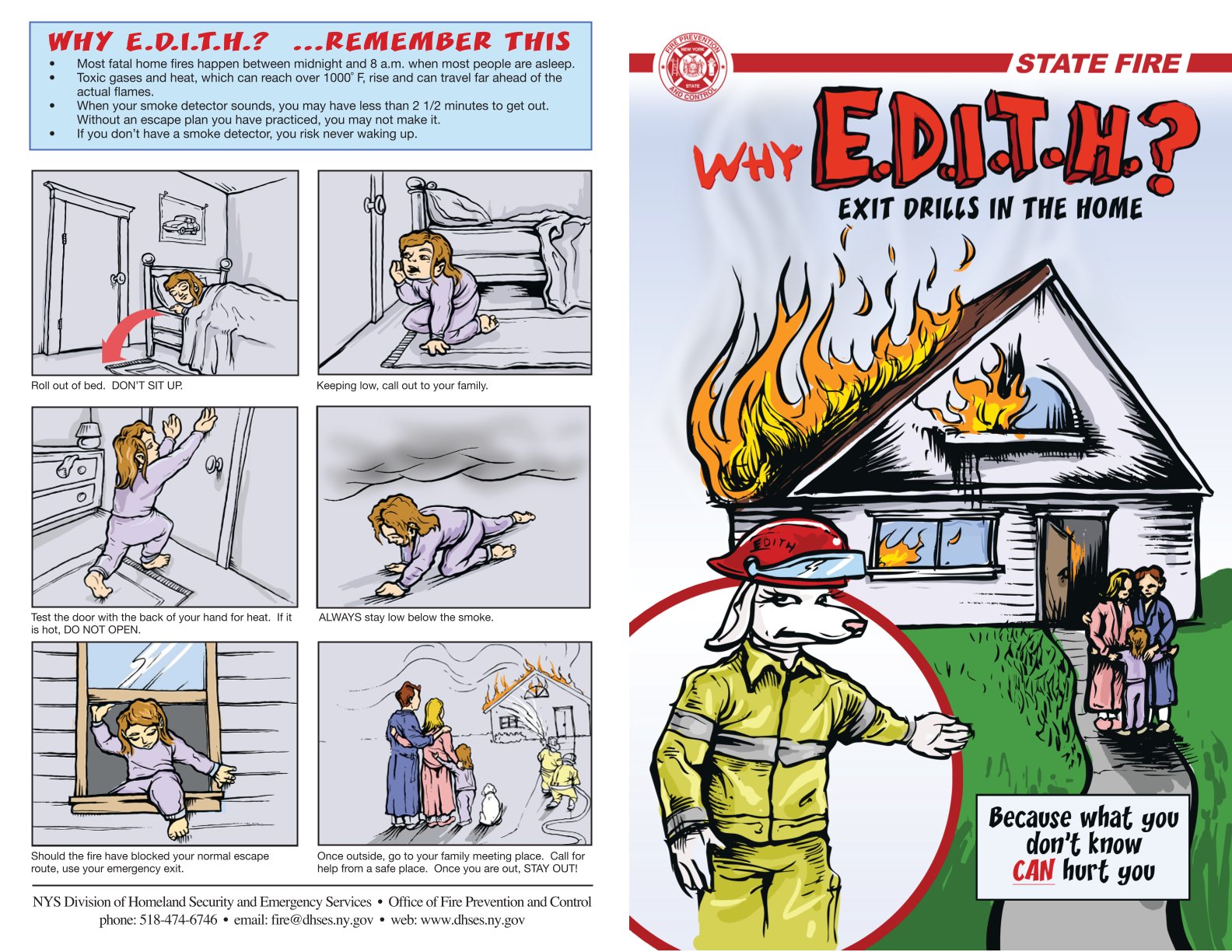
Develop and practice a two-exit escape plan.
Conduct night drills and ensure everyone can self-evacuate.
|
| |
|
| |
|